
Planning With Purpose: How Community Input Shaped the Referendum Plan
Over the last several months, our district has sought input from every corner of our communities to optimize our aging buildings for the benefit of staff, students, families, and residents. We collected feedback through:
A Community-Wide Survey: Over three hundred residents weighed in on the strengths and weaknesses of our learning spaces. See the results here.

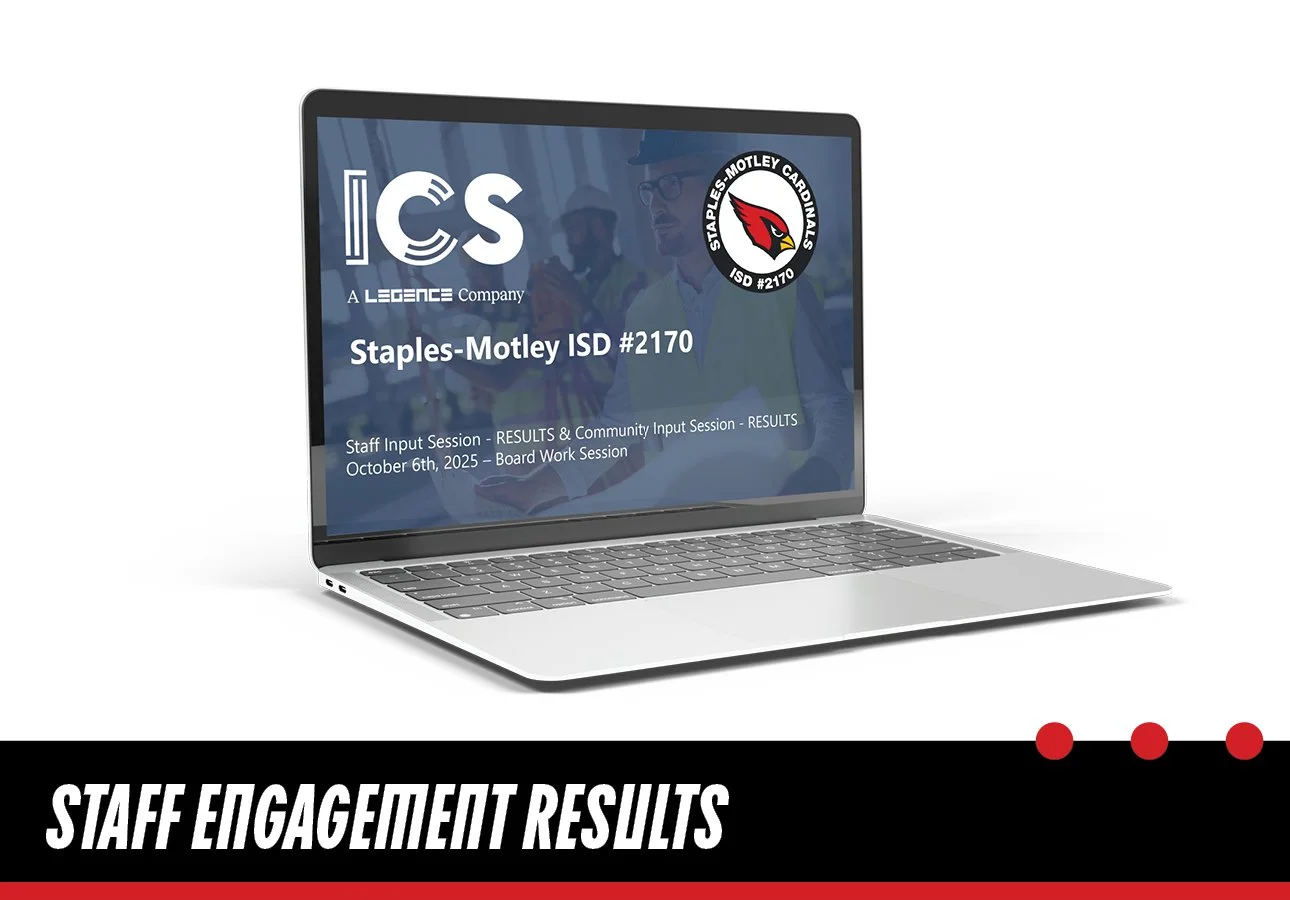
Listening Sessions: District leaders and school construction experts met in small groups with staff and residents to hear their ideas and concerns. These sessions provided staff, community members, and taxpayers with opportunities to share the specific challenges they face and discuss what they believe should be addressed.

A Facilities Open House: All residents were invited to tour the middle/high school building on Oct. 30 to get a behind-the-scenes look at learning spaces and hear directly from the teachers who use them.

A Career and Technical Education (CTE) Steering Committee: Local business leaders and educators convened to explore ways to improve CTE training and connections between students and employers in our communities. In addition to providing input on improvements to the CTE spaces, the committee organized the first Hometown Careers Collective event, which brought dozens of local employers into our schools to meet directly with students and provide hands-on experience.
An Auditorium Improvement Committee: This independent committee, originally formed by the Staples-Motley Area Arts Council, was established to help raise funds for improvements to the Centennial Auditorium. It has hosted input sessions to discuss priorities for improvement.
Invitations to provide feedback were shared via social media, districtwide mailings, the Cardinal Communications and Superintendent Recap newsletters, local newspapers, and the district website. With the feedback received from the community, the district worked with school construction and finance experts to develop a plan that addresses the identified needs without raising the school district’s portion of property taxes.
Assistance from School Construction and Financial Experts
Experts at ICS and Ehlers Public Finance Advisors provided valuable insights that helped our district transform community input into a realistic improvement plan. This included:
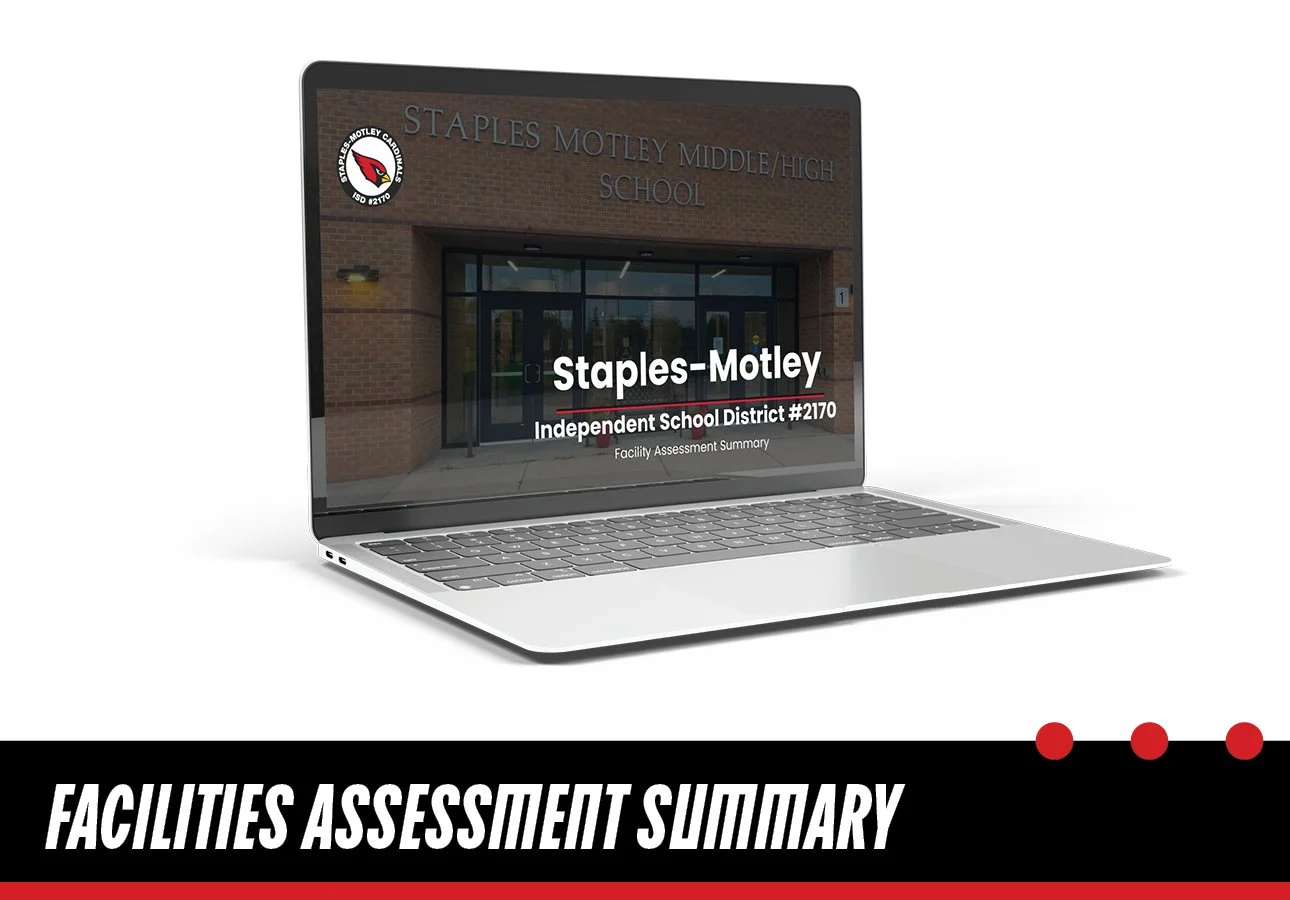
Facilities Assessments: Detailed assessments of the integrity of our current buildings and grounds, to map specific deficiencies and repair costs.
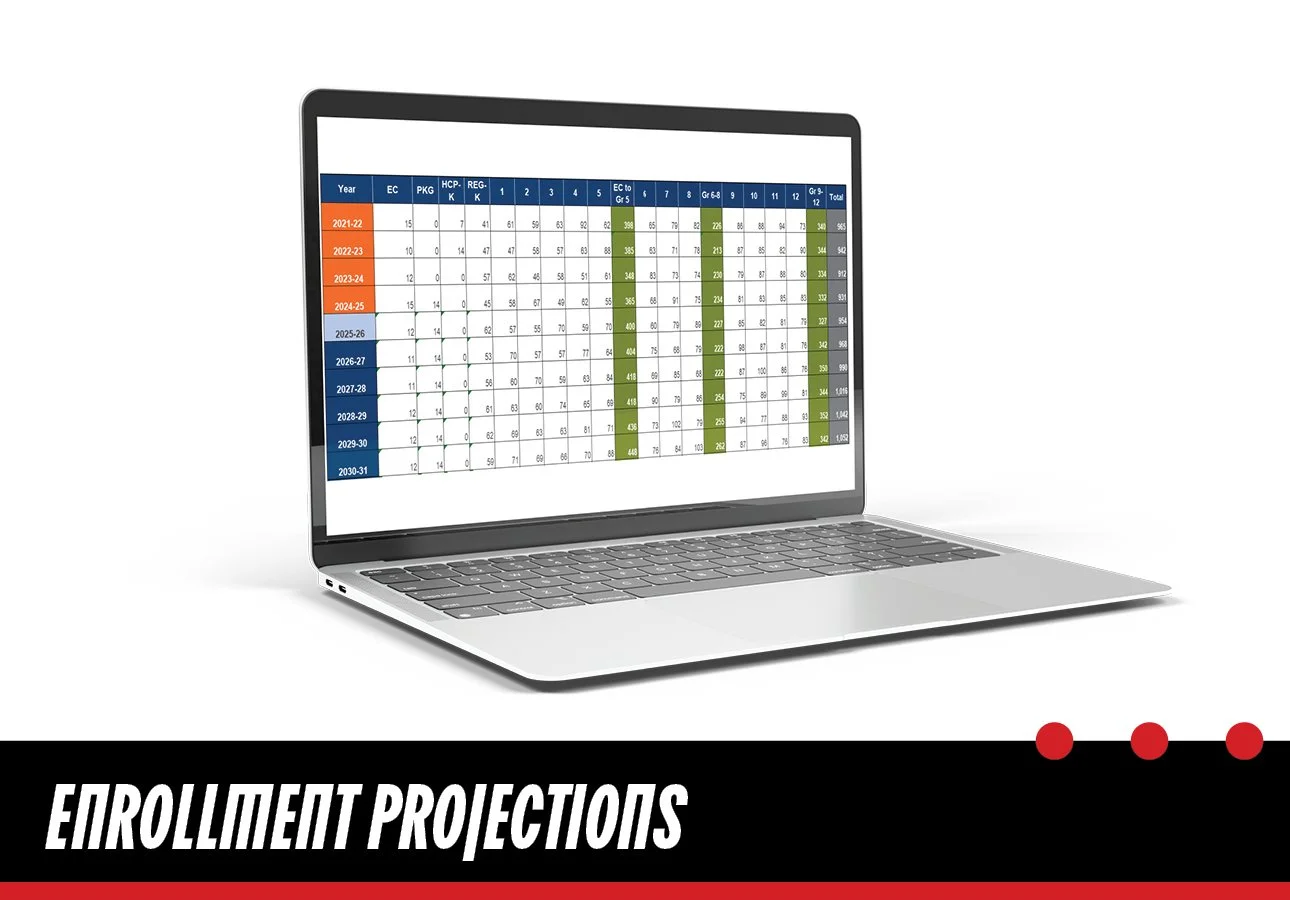
Demographic and Enrollment Projections: The latest census data was used to identify demographic trends and project future demand for learning and activities space to ensure our schools are “right-sized” for the future.
Tax Impact Projections: The latest available tax data was used to ensure the plan would be tax neutral.
These assessments and financial advice helped make sure our district proposed a plan that meets the needs of our students without increasing taxes for residents.

Board Approval and Submission to the MN Department of Education
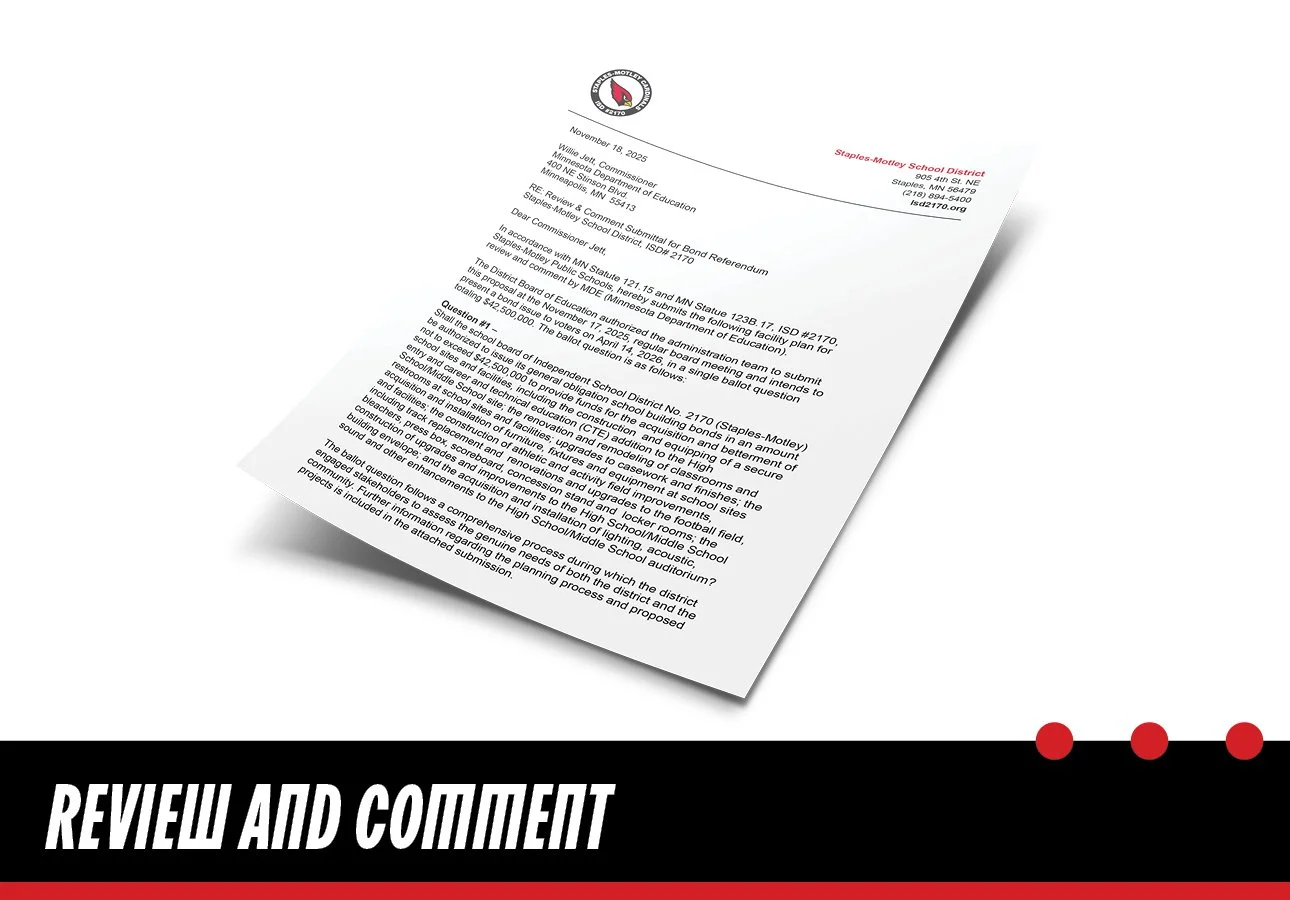
On Nov. 3, the preliminary referendum plan was reviewed by the school board, and on Nov. 17, the board agreed to submit a “Review and Comment” to the Minnesota Department of Education.
What is a Review and Comment?
School districts are required to submit a Review and Comment to the Minnesota Department of Education (MDE) for bond referendums. The Review and Comment outlines the improvements our district hopes to make to our buildings, the cost, and the projected tax impacts. MDE has 60 days to consider the impacts of the plan and the tax impact for residents and deliver a positive review, or recommend changes to the plan.
Resources from the Referendum Planning Process
You can find more helpful information from the referendum planning process on our Resources page.