
Why is Staples-Motley School District proposing a referendum?
The average facility in our school district is over 50 years old, with some dating back to the 1930s. This means that the majority of our learning spaces were not designed with today’s curriculum and careers in mind. The need to repair old infrastructure, improve security, and meet accessibility requirements has grown.
Our talented teachers and staff do an excellent job at adapting to these challenges, but our district’s goals are becoming more difficult to achieve.
Use the map below to get an inside look at some of the needs of our schools!
Our schools are proud to offer classes in welding, woodworking, automotive technology, machining, meat cutting, and more that immediately prepare students for careers after graduation. These classes are highly sought after by students; however, at the high school, limited space and the absence of industry-standard equipment limit the range of tools and skills that can be taught effectively.
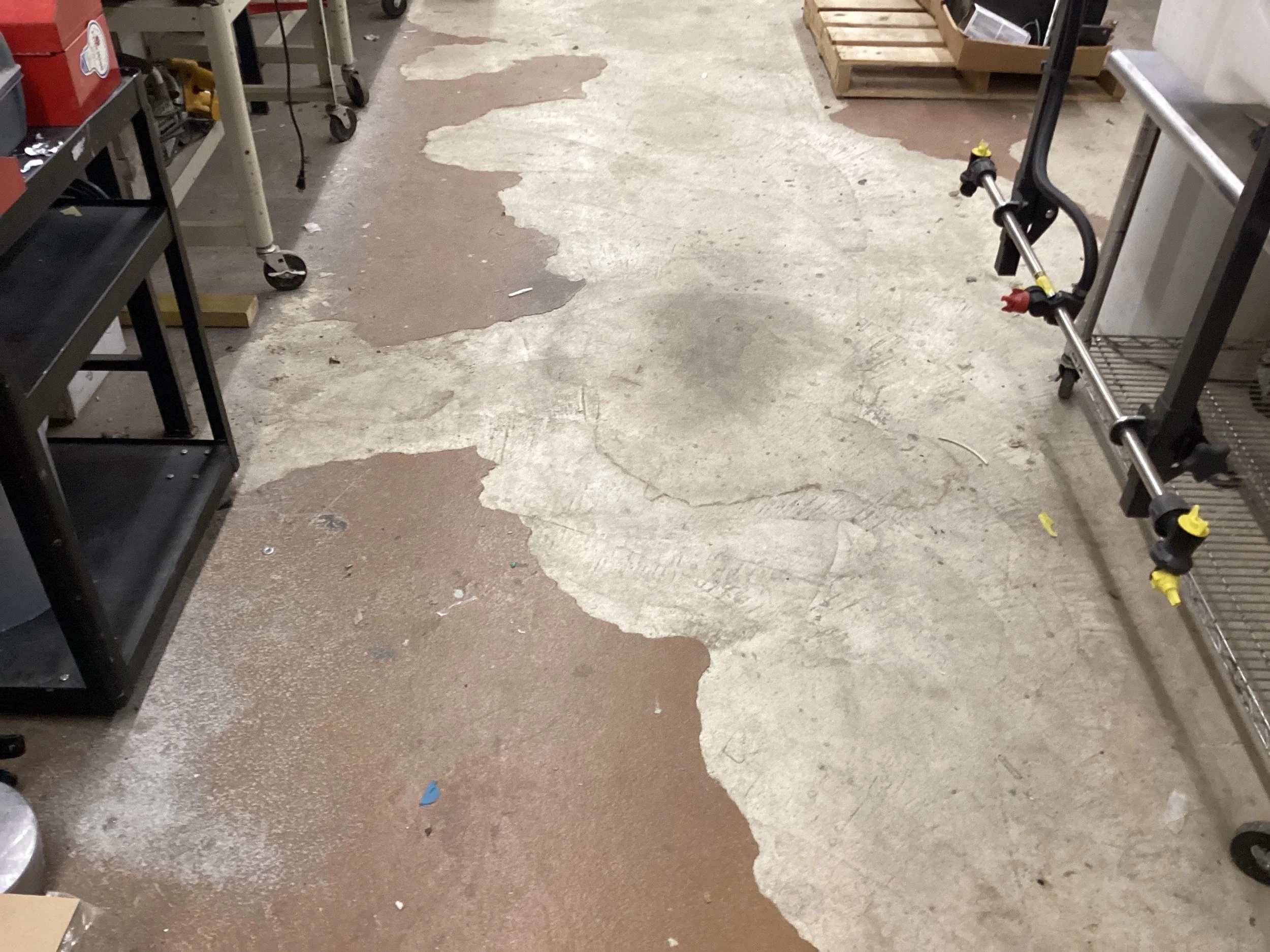
With only one room available to support several different classes, storage space and safety are concerns. Most of the equipment students use for these classes is either donated or salvaged, and doesn’t match the industry-standard equipment used by their future employers.
Career and Technical Education (CTE)
“
“Most of the community does not realize that our machine shop is so small and outdated that, for many years, it has not functionally existed as a modern shop. Without updated equipment and expanded space, it is impossible to teach students the machining, fabrication, and precision-measurement skills that local employers expect.”
— KRIS MUMM, CAREER AND TECHNICAL EDUCATION TEACHER
Classrooms
Education has changed significantly since our classrooms were originally built. Long lectures and compact rows of desks have been replaced with collaborative, hands-on activities.
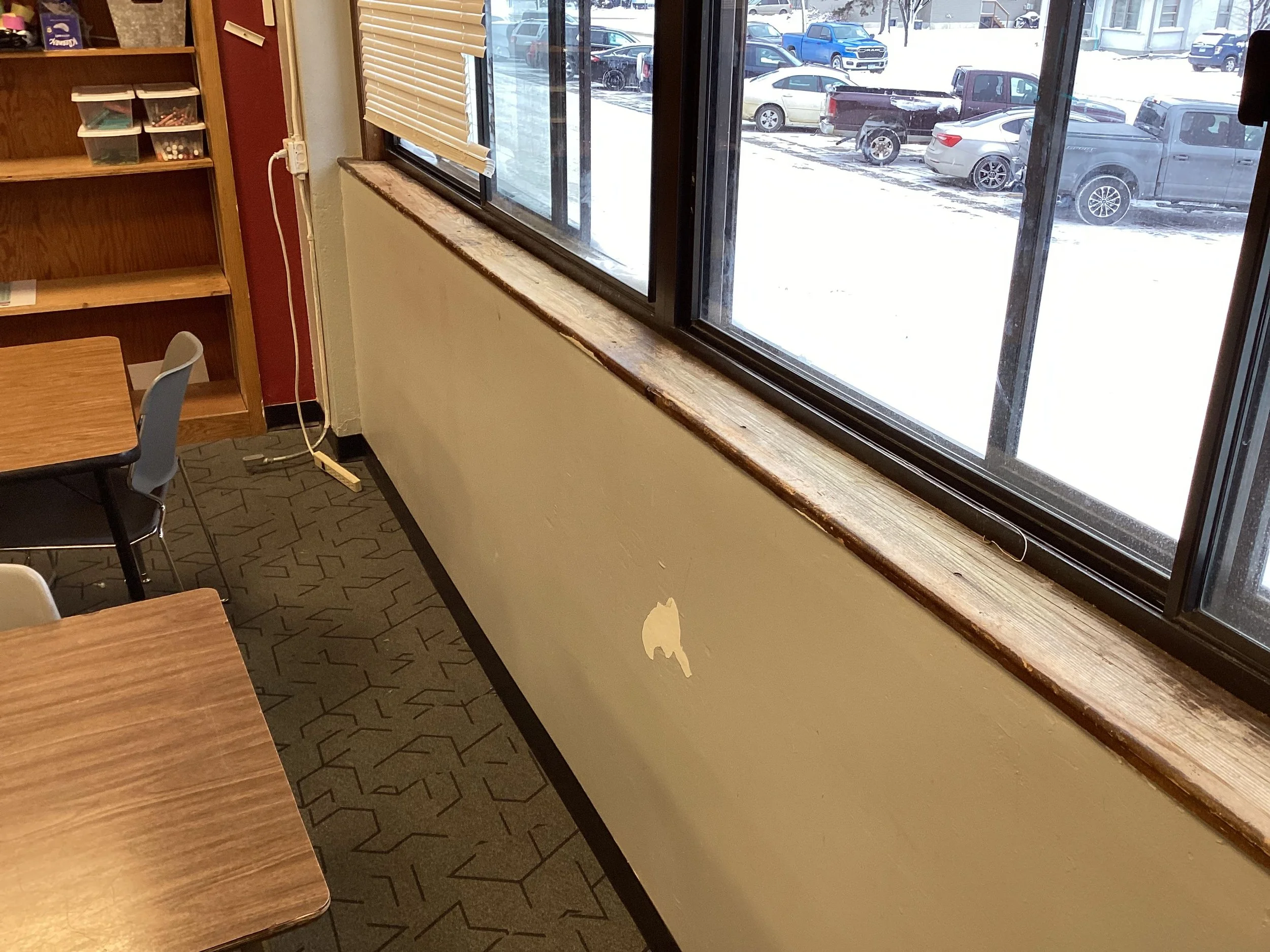
Many classrooms – especially in the Middle/High School building – lack space and receive no natural light. Power outlets and shared workspaces are limited, which affects how teachers can utilize classroom technology or provide one-on-one support to students.
The average classroom in the interior of the Middle/High School is less than 800 square feet. By comparison, the Minnesota Department of Education recommends classrooms be 850-950 square feet, with natural light, storage, and flexible furniture to support different classroom layouts.
“
“Schools are not just buildings – they are places where students develop the skills, confidence and knowledge needed to become productive, responsible members of society. When learning environments are outdated or under-resourced, it limits what educators can provide and what students can achieve.
— MICHELLE KARR, ELEMENTARY TITLE I TEACHER
Safety and Security
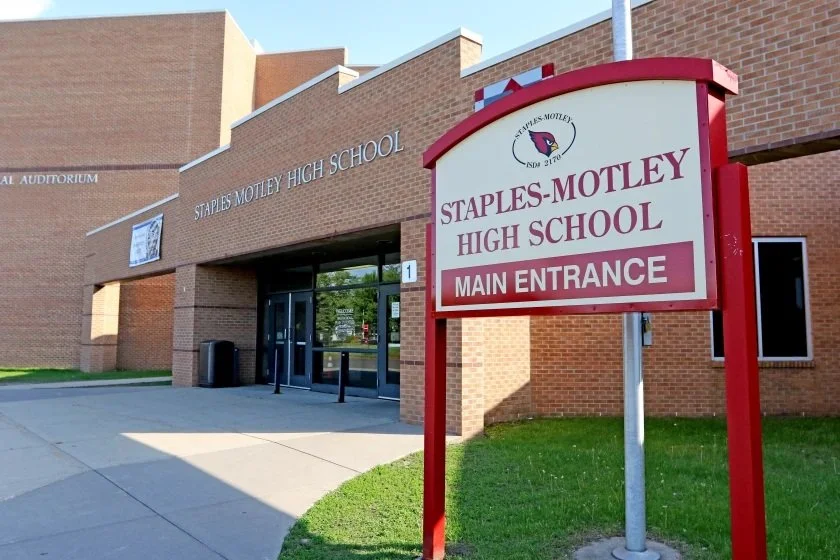
Main Entrances: Since our schools are older, our main entrances aren’t designed to control who enters our buildings. Adding a required visitor check-in, controlled locks, and better sightlines to see who is entering the building would make it much easier to manage access during school hours and keep intruders out.
Pickup & Dropoff Areas: Any parent/guardian who visits our schools knows these areas often get crowded and can even cause traffic backups. Updating the design of the drop-off loops would make the process smoother and reduce risks for drivers and students. These changes would help keep traffic moving and make arrival and dismissal safer for everyone.
Core Infrastructure
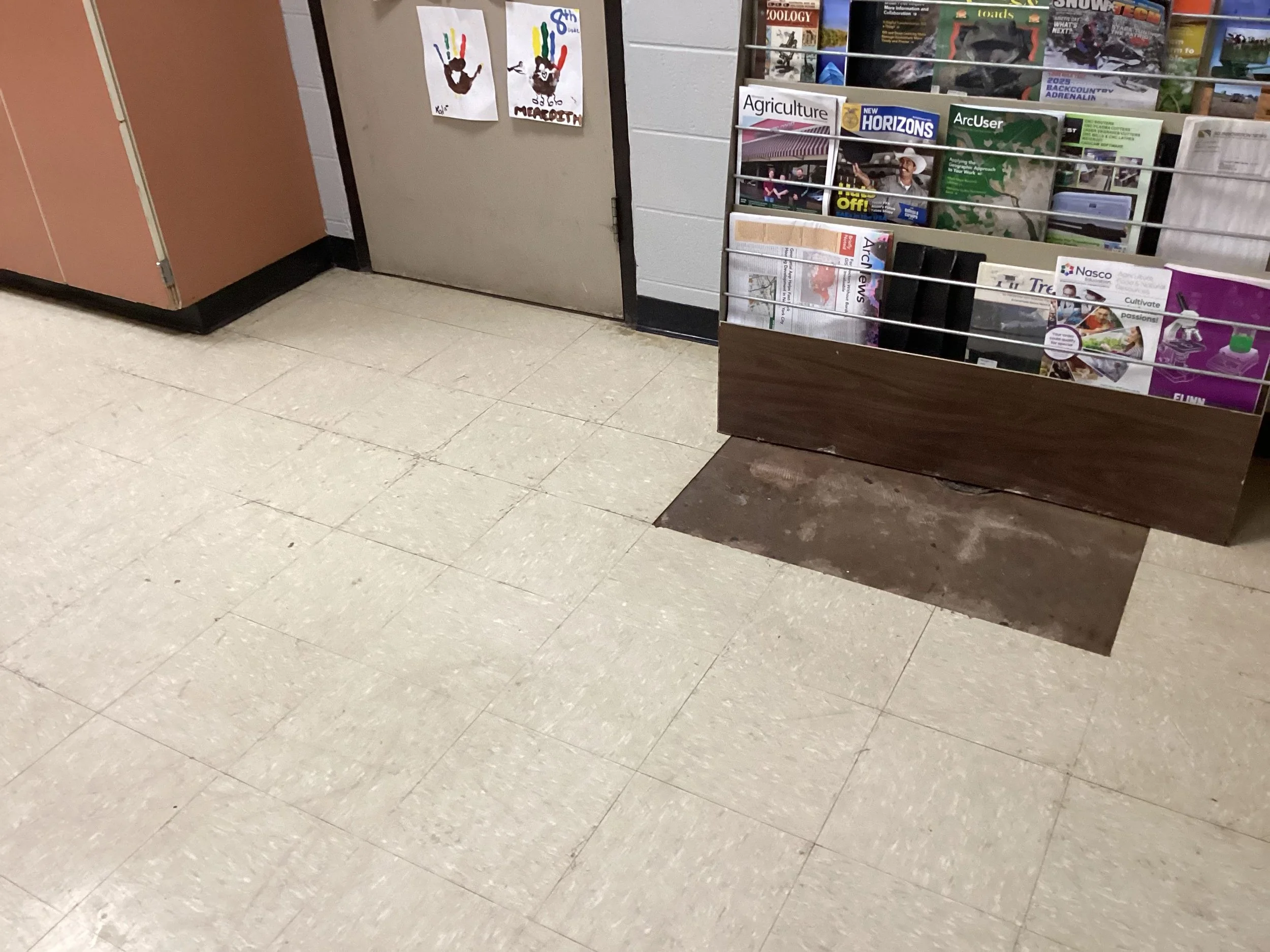
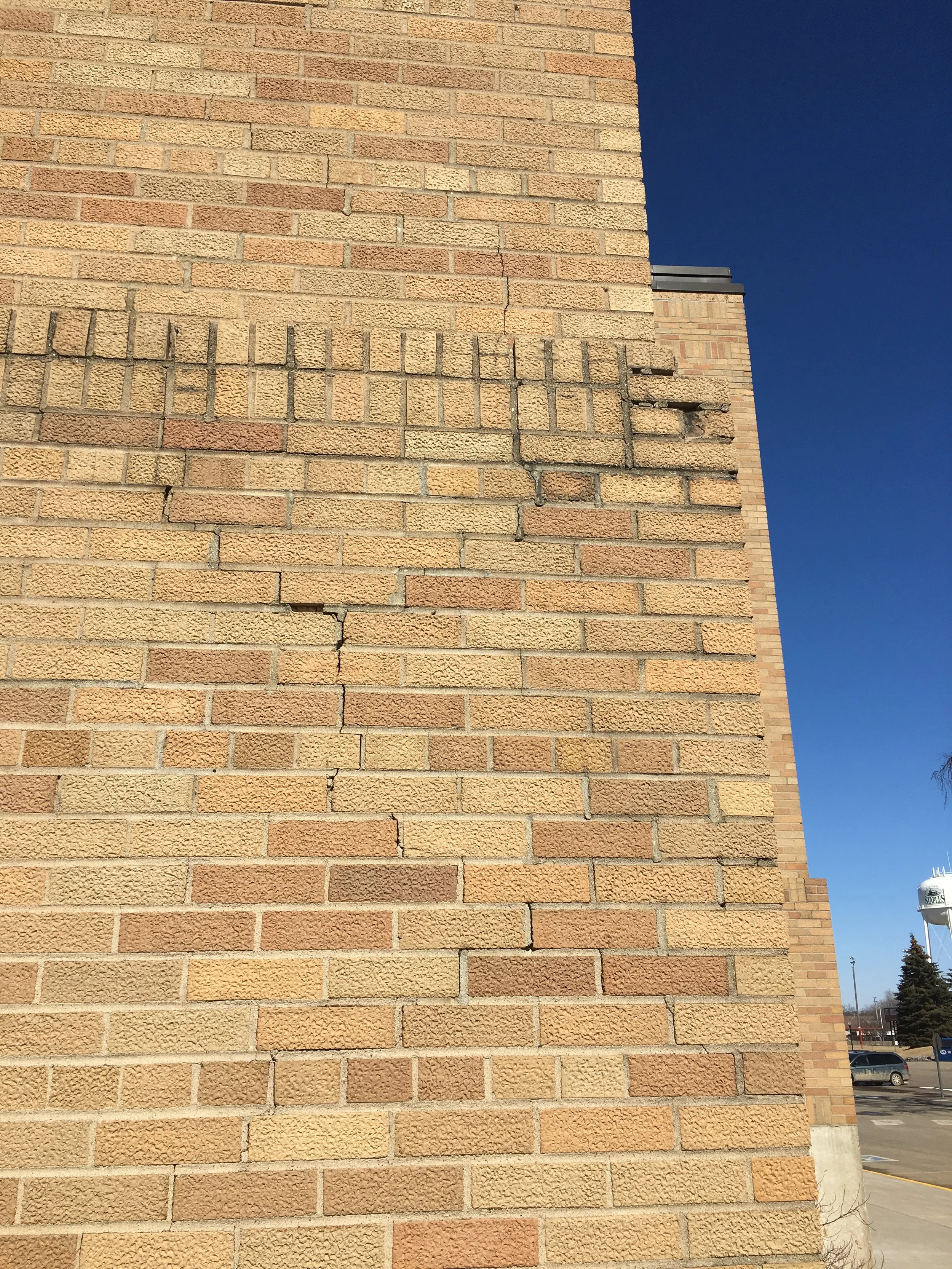
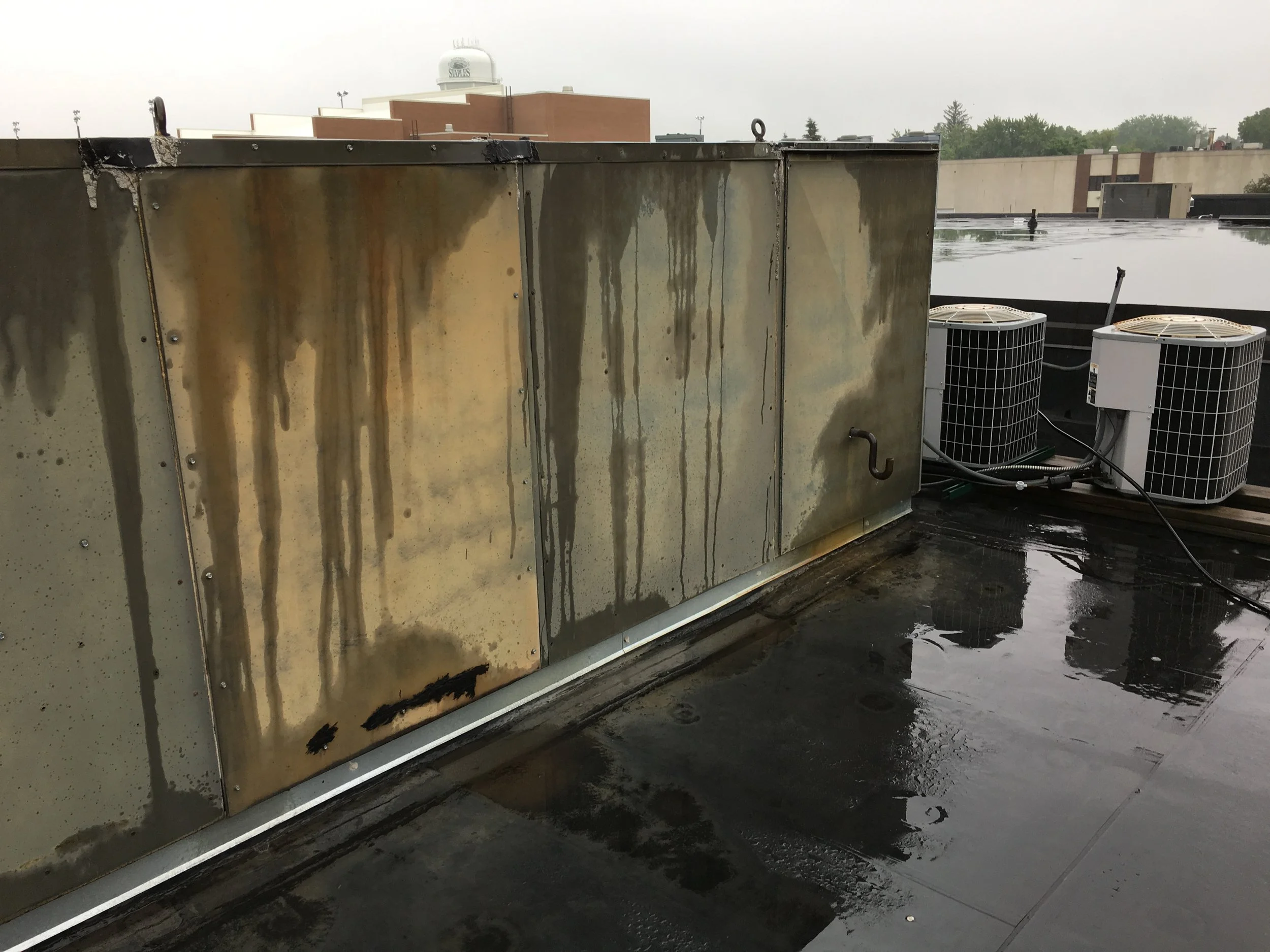
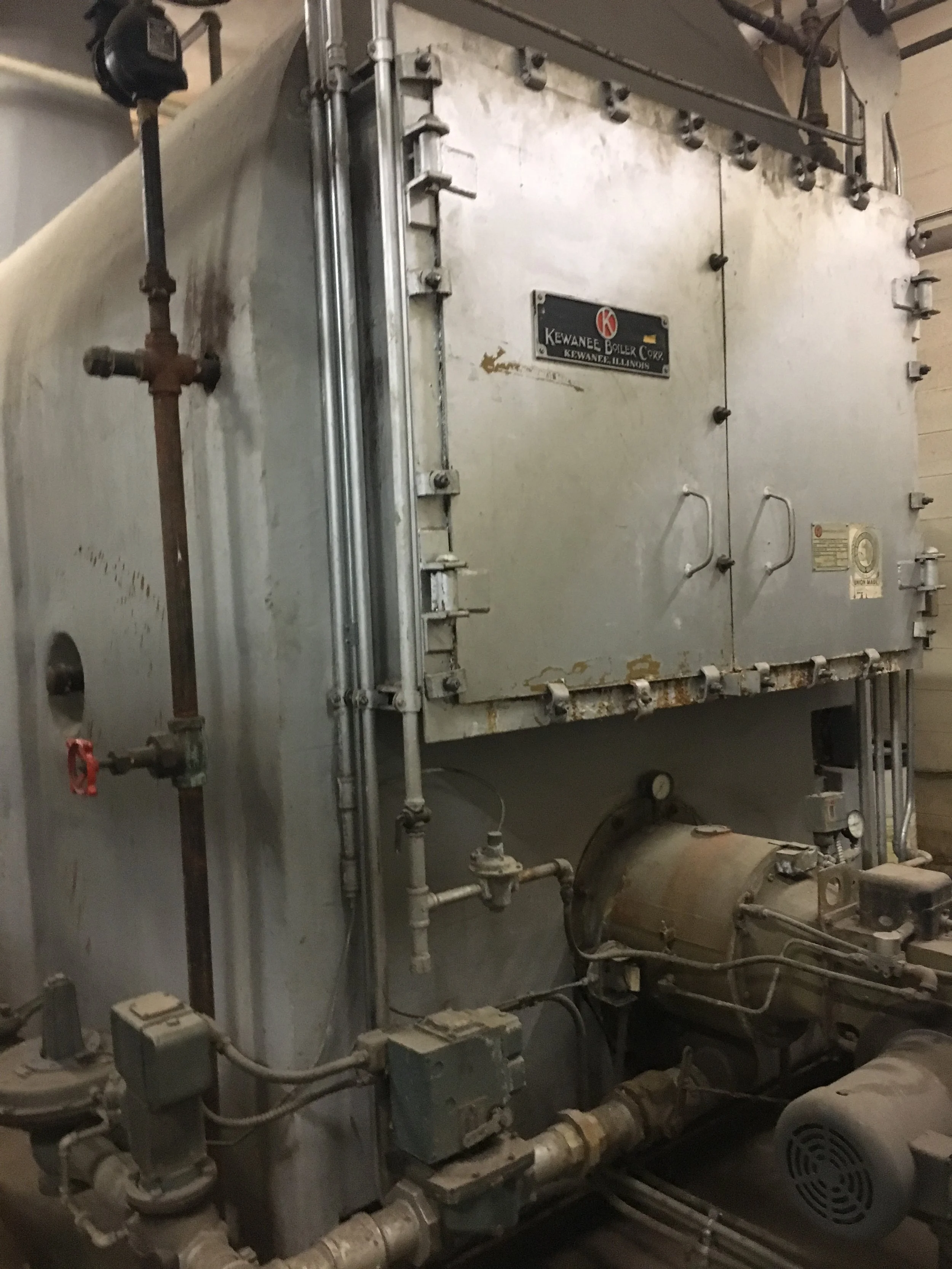
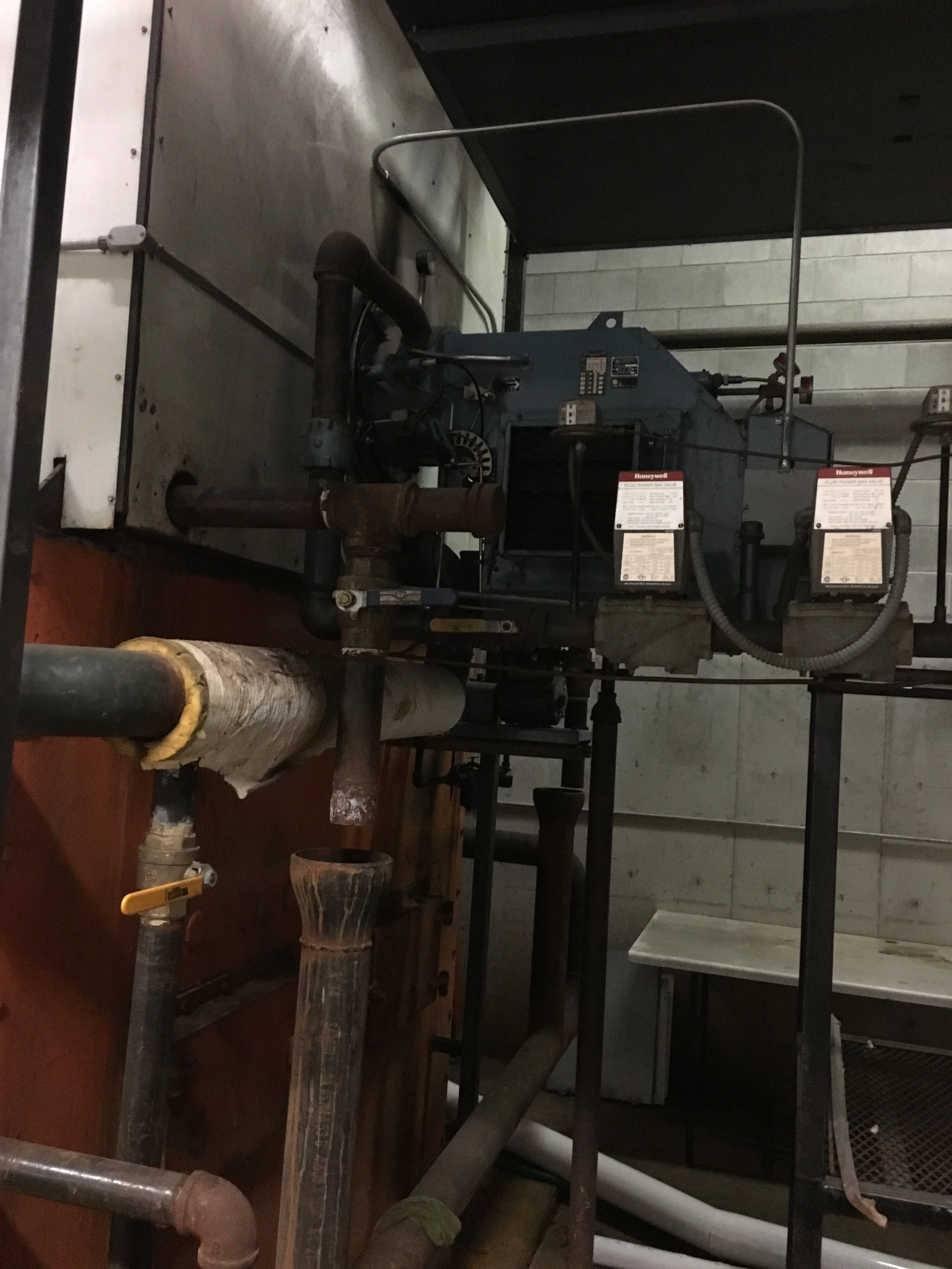
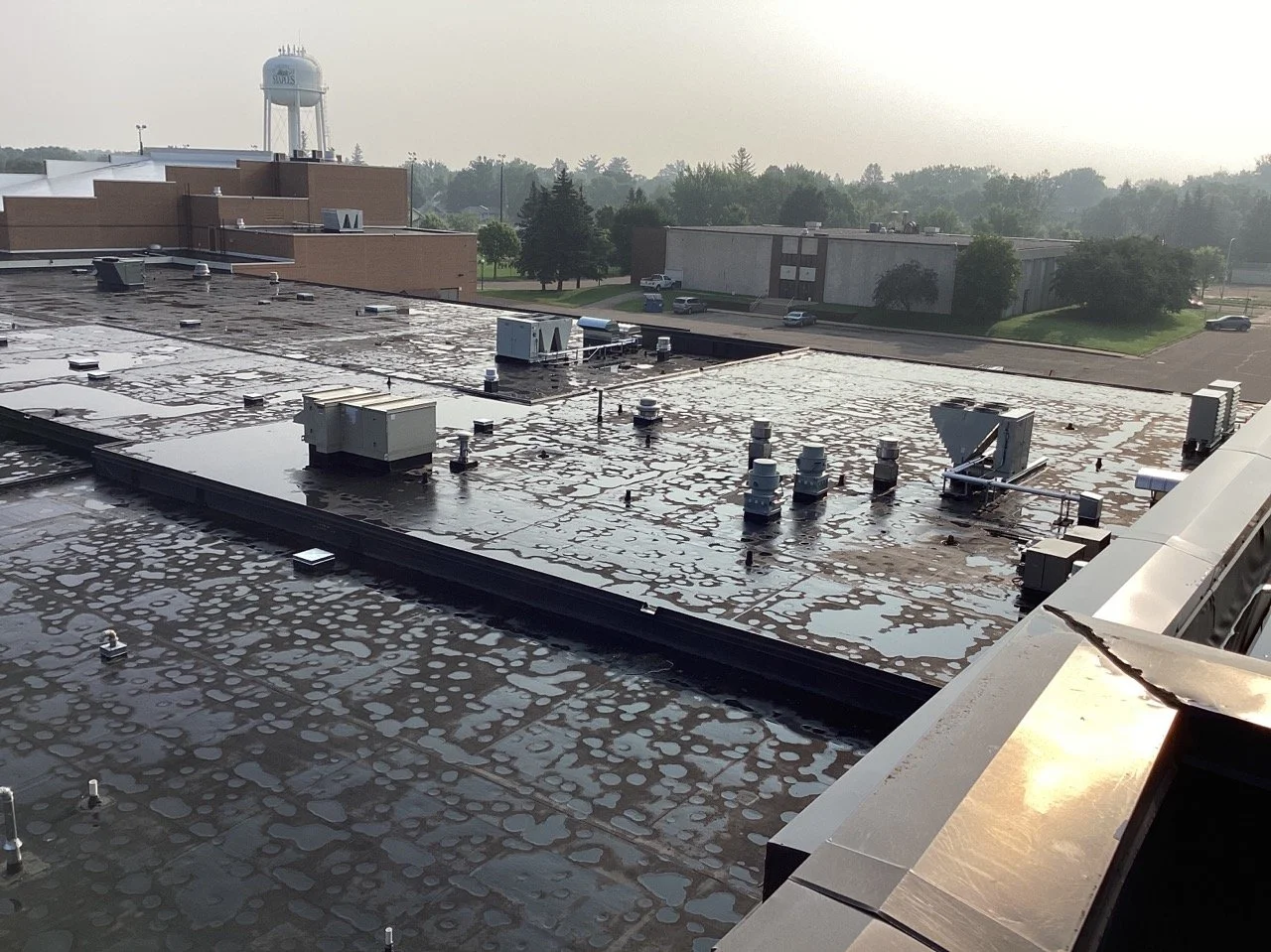
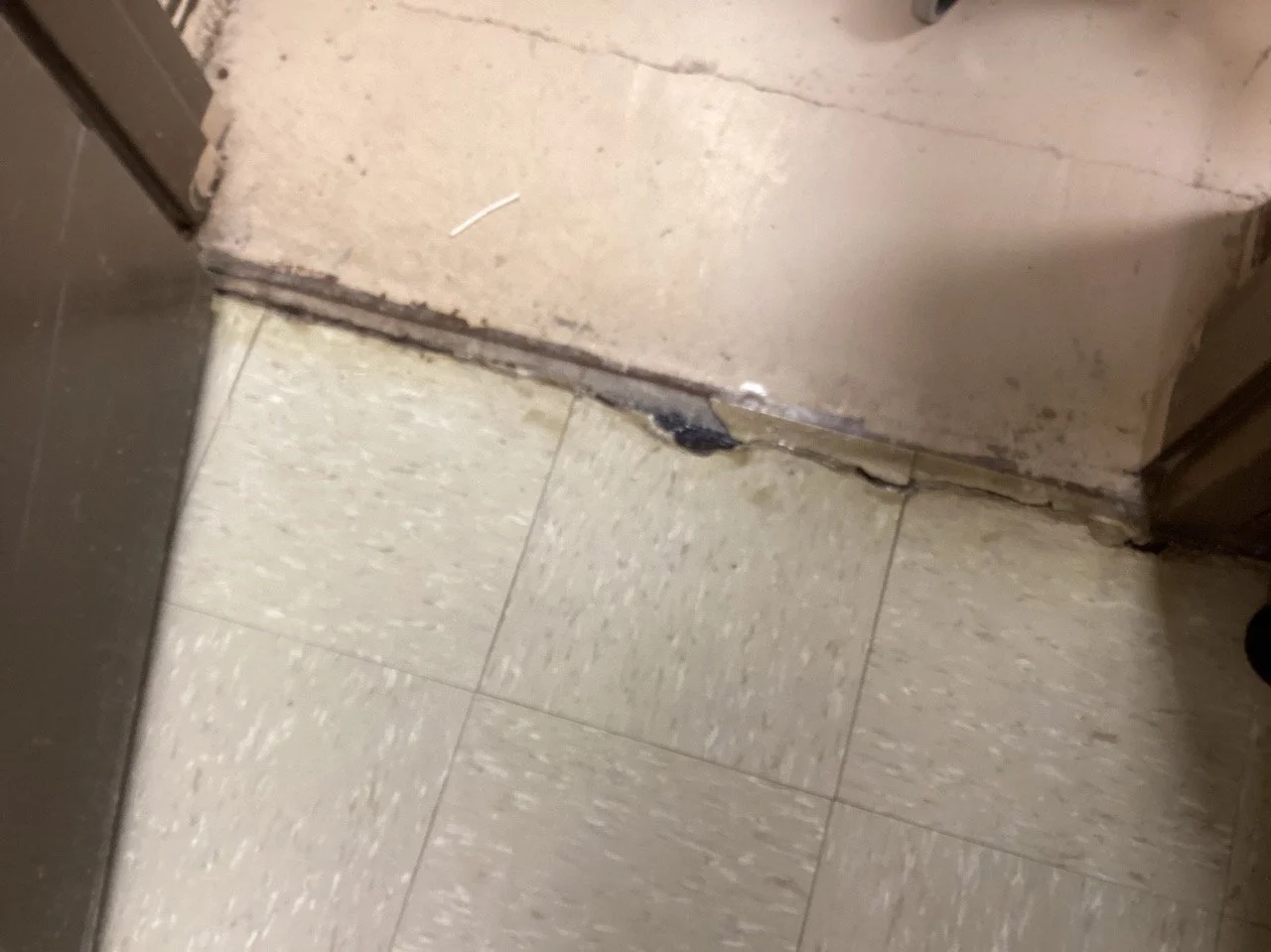
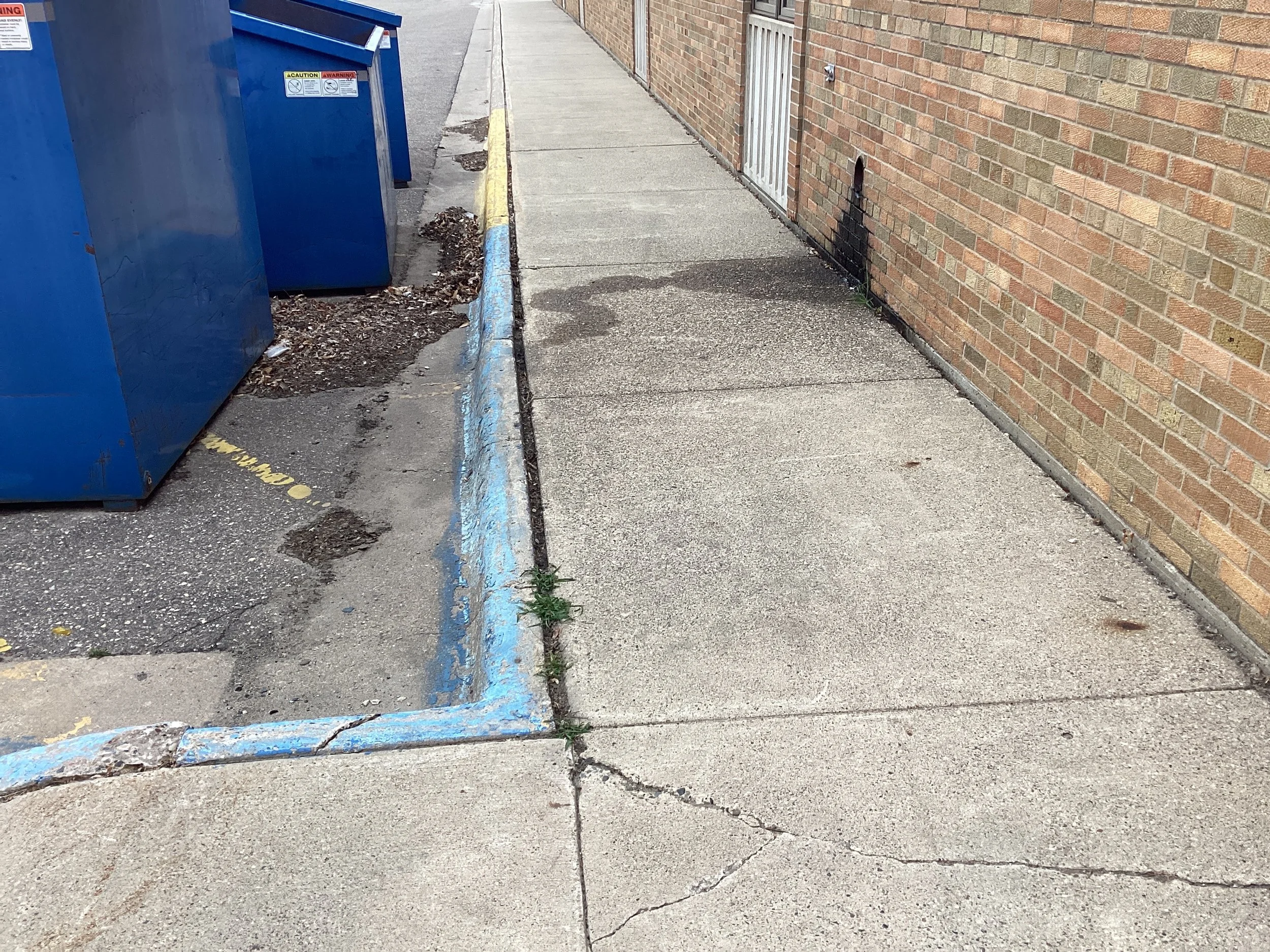
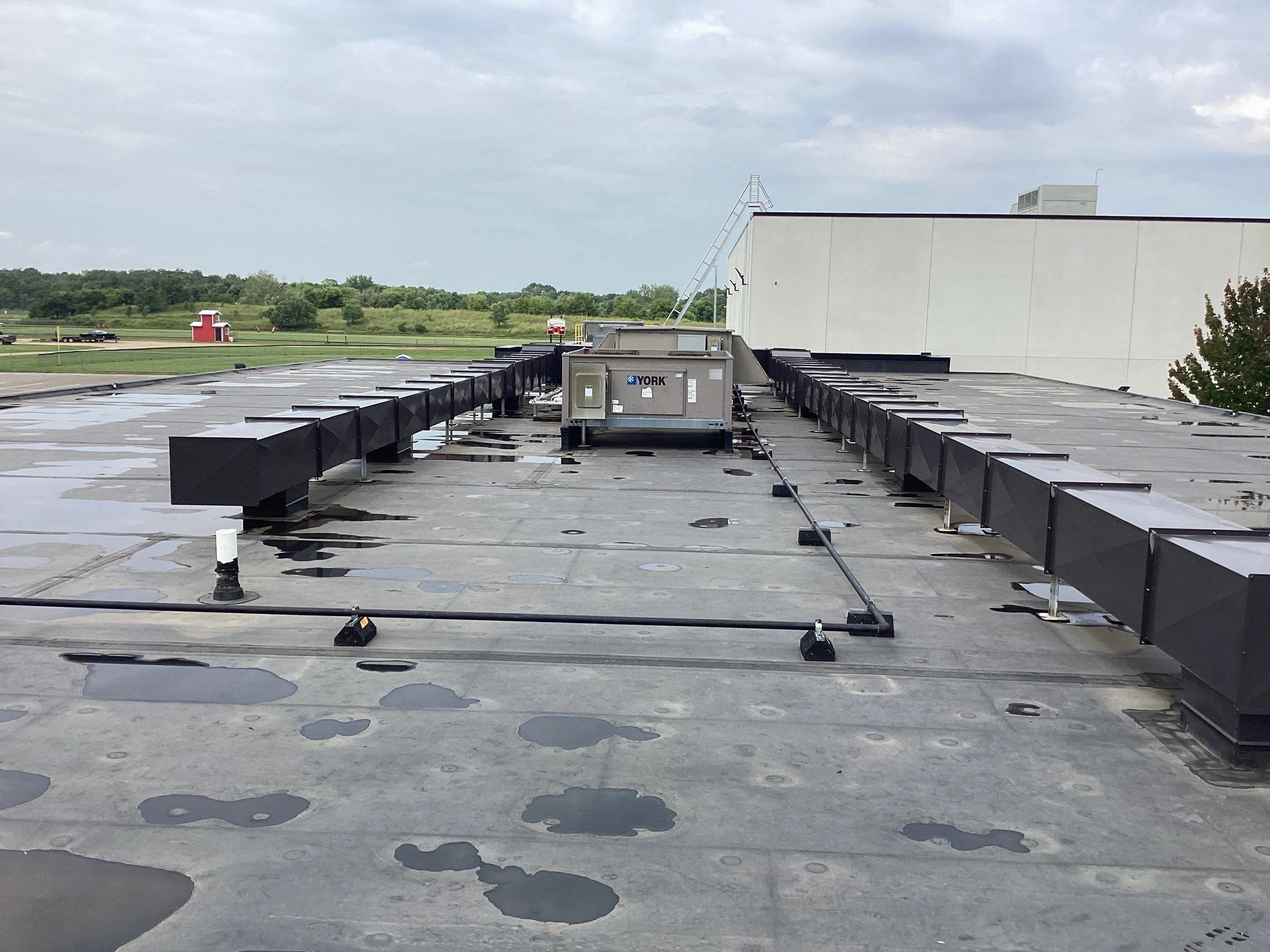
Important parts of our buildings – such as roofs, flooring, exterior brick, and HVAC systems – date back as far as 1936. Our maintenance team has done a great job keeping them going, but the repairs needed grow every year. Some windows and doors are in rough shape and need to be replaced to prevent water leaks and save energy.
“
“[Our community] may not realize how much extra effort staff put into adapting aging spaces and materials to meet modern instructional needs … outdated furniture, limited flexible learning areas, and insufficient space for certain grade-level programming create daily challenges that require constant problem-solving by staff to ensure students receive high-quality instruction.”
— RYAN KOENIGS, ELEMENTARY SCHOOL PRINCIPAL
Centennial Auditorium
The Centennial Auditorium hosts over 4,000 guests annually for school and community theater, music, and dance performances. After years of use, the auditorium’s sound equipment, rigging, and curtain systems require replacement. The stage is difficult to access for people with mobility challenges, and limits the types of sets and performances that can be hosted.
Football Field & Track
The outdoor track is worn down and needs to be replaced, with low spots that should be filled in to improve safety. Out of an abundance of caution, the district does not host home meets due to the track’s condition.
The football field lights use outdated metal-halide bulbs that are outdated and costly to replace, and they are mounted on wooden poles that are decades old. The press box and bleachers also need updates to handle crowds and improve accessibility for visitors.
The sprinkler system layout should be redone to improve irrigation and prevent water and mineral buildup on nearby surfaces.